Research Projects
Recent Projects Utilizing Data from the Psy-ShareD Repository

Brain-Based Sex Differences in Schizophrenia
Investigating sex-specific brain morphology in schizophrenia.
Read More →
BrainAgeS: Unravelling Sex-Specific Aging Trajectories in Neuroanatomy of Working Memory in Schizophrenia
BrainAgeS investigates sex-specific aging effects on working memory and related brain structures in schizophrenia.
Read More →
Clincal, cognitive, and neuroanatomical phenotypes across the psychosis spectrum
This project validates behavioural and brain structure patterns across the psychosis-risk spectrum, focusing on cortical thickness in CHR and cognitive differences between FEP, CHR, and FHR.
Read More →
Identifying Subtypes of Cortical Thickness in Schizophrenia
This study aims to identify neuroanatomically-defined subtypes of schizophrenia using cortical thickness measurements analyzed through VAE-based dimensionality reduction.
Read More →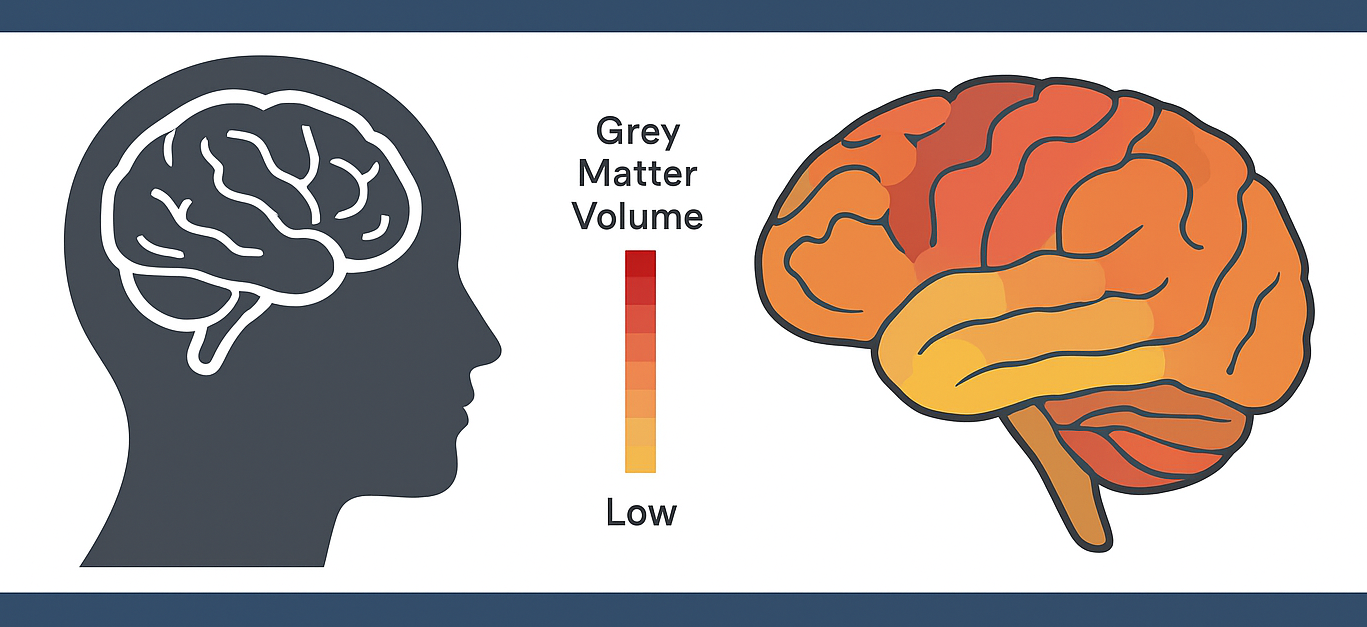
Substance Use and Grey Matter Volume in Psychosis: A Multisite Neuroimaging Study
This study will investigate whether substance use contributes to, mediates, or moderates grey matter volume (GMV) differences between individuals with psychosis and healthy controls.
Read More →
Cellular Stress: Comorbid multi-organ Aging in PsychosEs (C-SCAPE)
To assess psychosis as a multisystem disorder of accelerated aging, driven by inflammation and cellular stress.
Read More →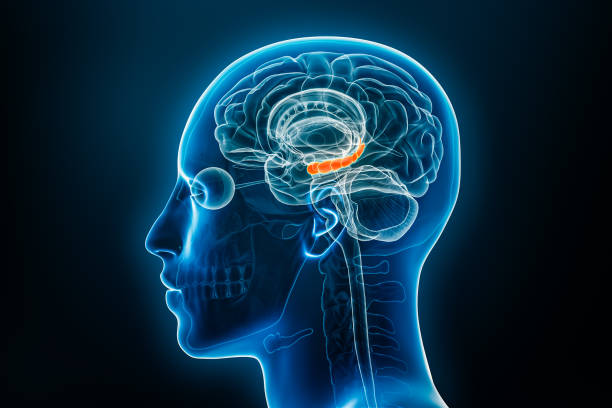
Hippocampal Subfield Atrophy and links to Symptomatology in Psychosis
Accumulating and converging evidence suggests that hippocampal subfield neuropathology might be an important factor underlying psychosis risk, disease progression, and symptomology.
Read More →
Childhood trauma, hallucinations and brain structural alterations
This project will explore whether specific structural brain patterns associated with childhood trauma are linked to distinct cognitive mechanisms—such as source monitoring deficits or intrusive memories—that could contribute to hallucinations in individuals with and without a history of trauma.
Read More →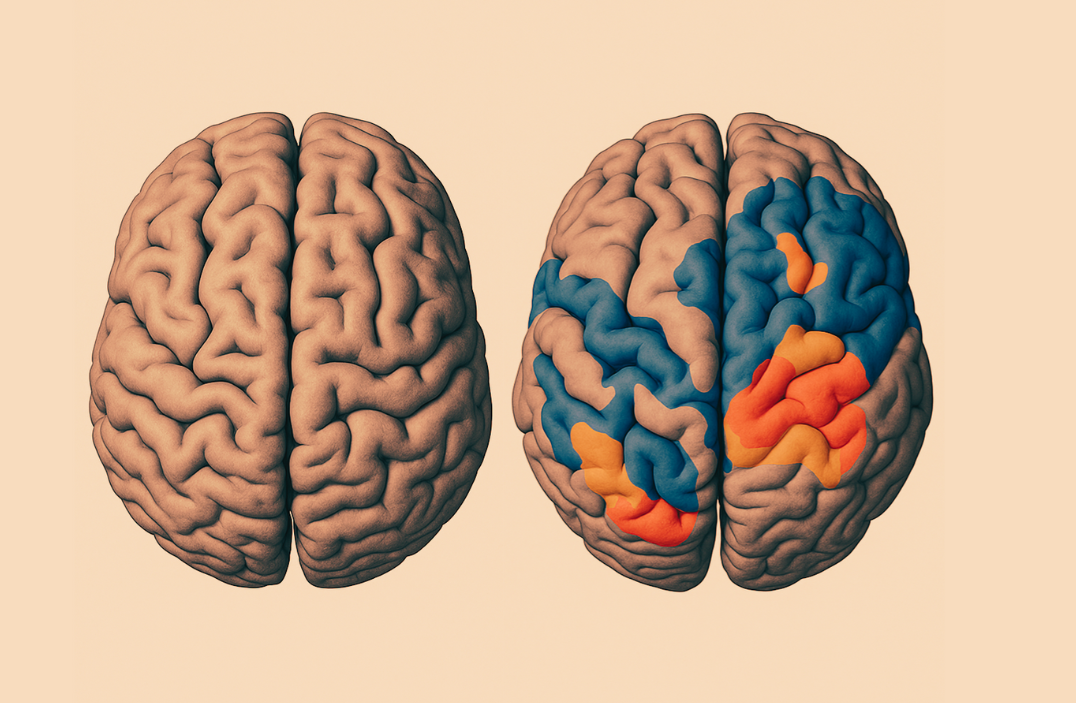
Voxel-Based Morphometry meta-analysis and mega-analysis of regional brain volume in patients with CHR, FEP and Schizophrenia
The Enhancing Neuroimaging Genetics through Meta-Analysis (ENIGMA) consortium has successfully identified structural brain abnormalities in individuals at Clinical High Risk for Psychosis (CHR) and Schizophrenia (SCZ).
Read More →
Supervised and Unsupervised Data-Driven Approaches for Identifying Treatment Resistance in Patients with Schizophrenia Spectrum Disorders
This project aims to externally validate supervised and unsupervised approaches for identifying treatment resistance.
Read More →
Perturbation Network Analysis of Structural T1 MRI Data in Psychosis
This project investigates how brain structure and connectivity are altered across the psychosis spectrum, particularly in clinical high-risk (CHR) individuals and patients with first-episode psychosis (FEP).
Read More →
NeuroPsy-IMPACT: using Neuroimaging in Psychosis for Interpretable Multimodal Prediction and Analysis of Clinical Trajectories.
This project uses multimodal deep learning and mechanistic interpretability techniques to better understand the development of psychotic disorders, including clinical high-risk states and first-episode psychosis.
Read More →
Associations Between Cannabis Use, Medial Temporal Lobe Structure and Clinical Outcomes in Clinical High-RIsk Psychosis
This study investigates whether medial temporal lobe (MTL) abnormalities, particularly hippocampal structure, mediate the relationship between cannabis use and clinical outcomes in individuals at Clinical High Risk for psychosis (CHR-P).
Read More →
ML derived neural correlates of depression in psychosis
The project investigates the neuroanatomical correlates of depressive symptoms in schizophrenia spectrum disorders (SSD) using structural MRI and machine learning.
Read More →